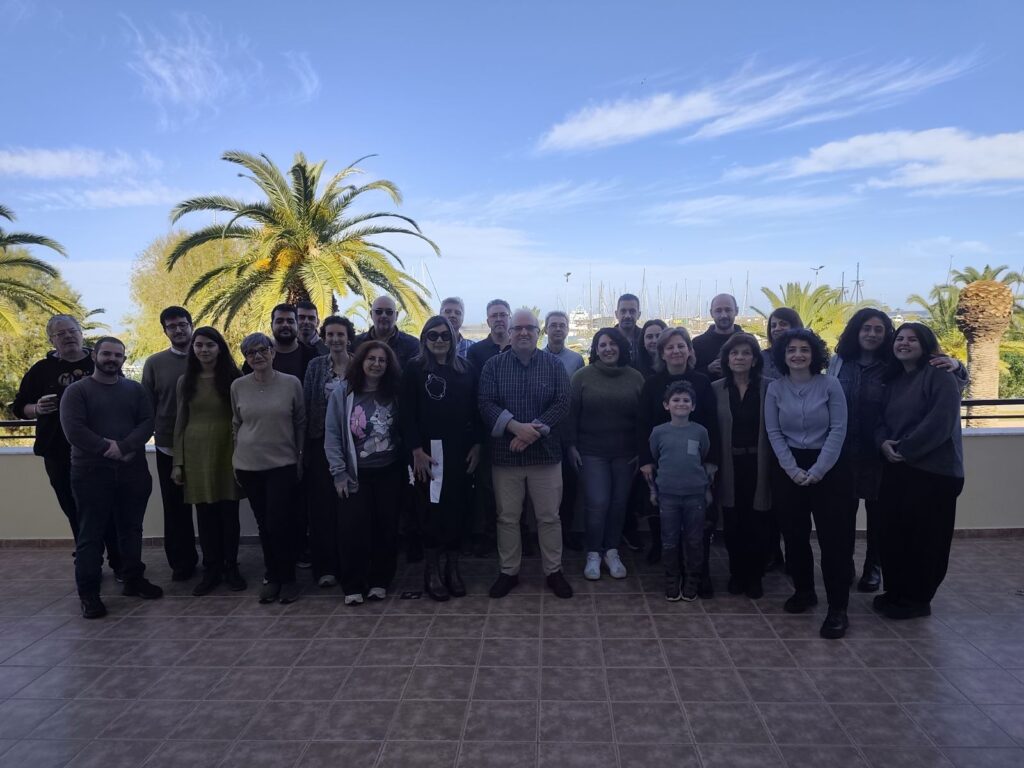
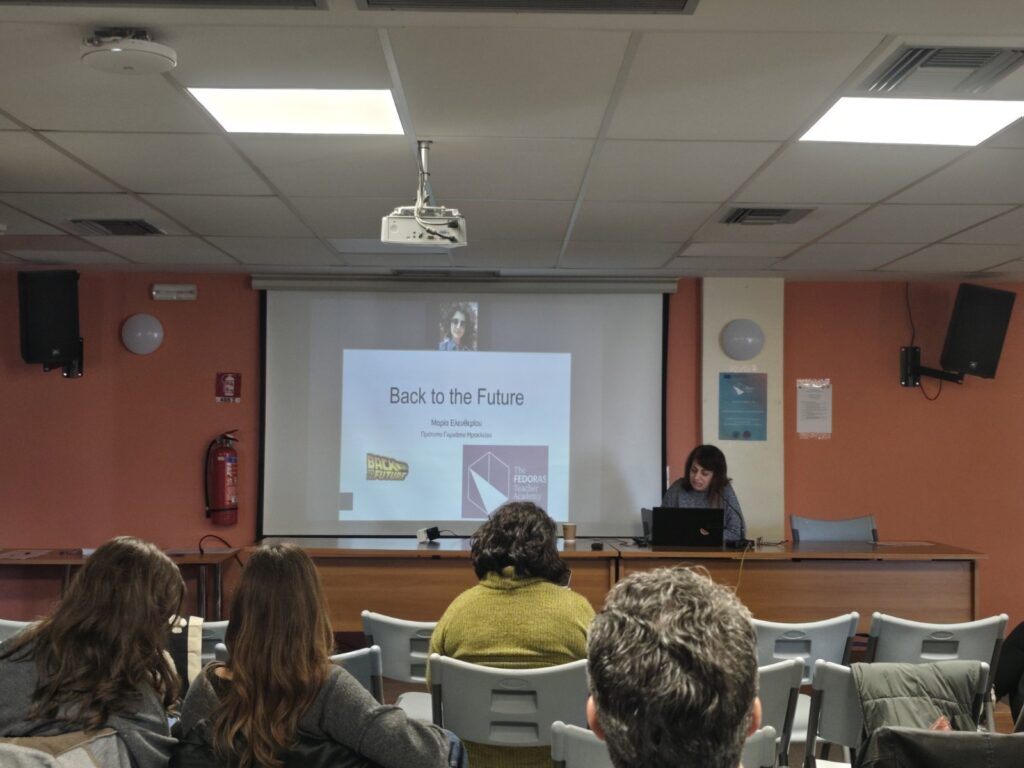
The Greek Local Change Lab, held on Sunday, January 25th, 2026, at the “XENIA” Student Cultural Center in Rethymno, brought together a diverse community of more than twenty participants connected by a shared interest in rethinking science education for the future. The meeting included 16 STEM teachers (four of whom have been active members of the Greek hub since October), five pre-service teachers, members of the University of Crete research team, as well as representatives from key institutions supporting the network. Educational policymakers for secondary education, a representative from a research centre, the UNESCO Chair on Futures Studies, and a representative from the Center for Environmental Education and Sustainability in Athens contributed to the discussions, with stakeholders based in Athens joining online, while the local educational community gathered face to face in Rethymno. More than a formal event, the Local Change Lab functioned as an opening—welcoming new teachers into the Greek FEDORAS network and inviting everyone to reflect on what it means to teach in times of uncertainty and change.
The day began by presenting the FEDORAS project and its core pillars, creating a shared point of departure for also the new teachers in the network. While many participating teachers were already familiar with interdisciplinarity and sustainability competences through previous projects, the focus naturally shifted toward futures thinking.
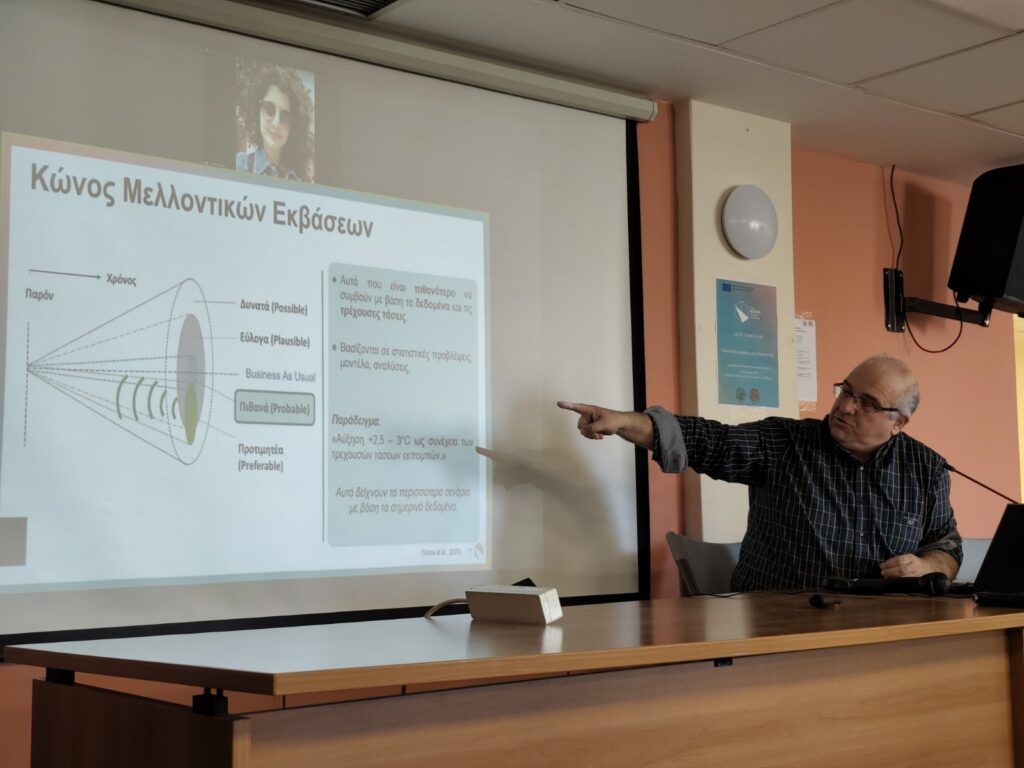
As the members of the network came together, stakeholders shared their roles and perspectives, highlighting how different forms of expertise converge within the Greek network. Examples of teaching materials on futures thinking, presented by the research team, offered concrete starting points for discussion and reflection.
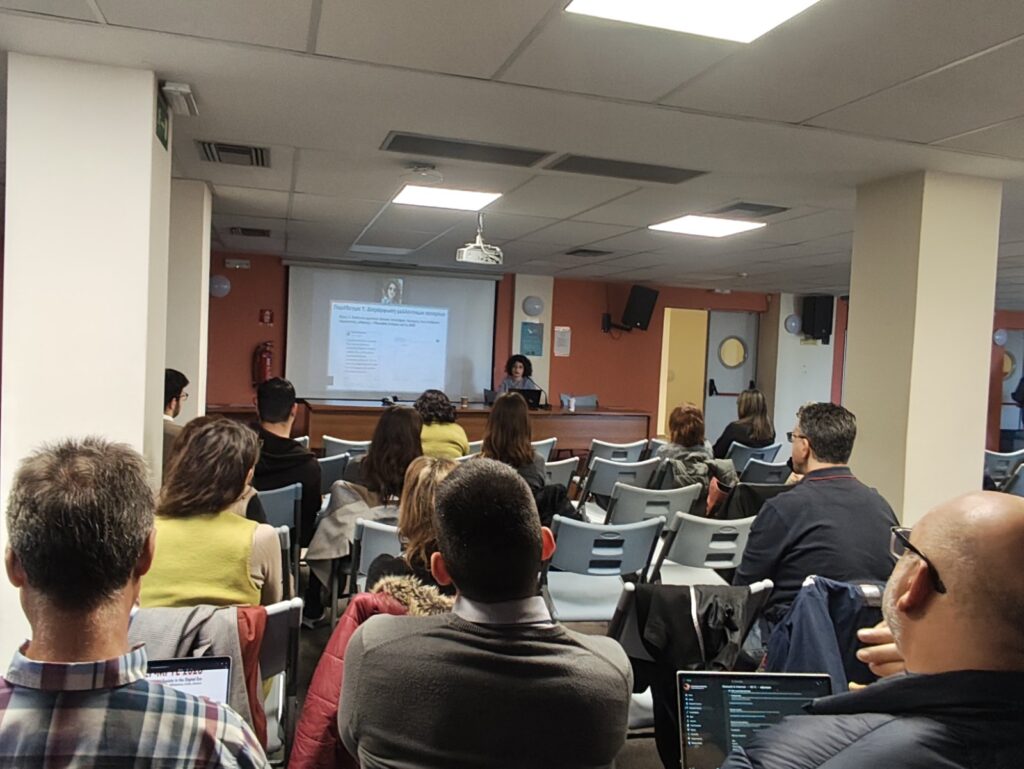
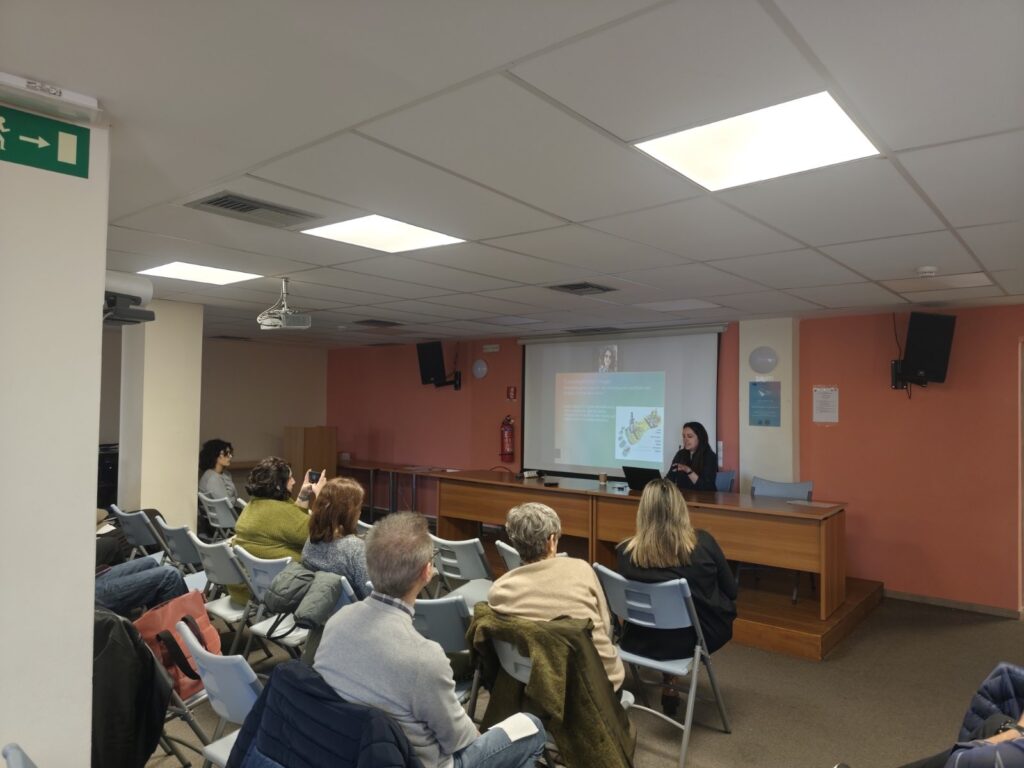
A particularly reflective moment emerged when the four teachers who have been part of the network since October shared their classroom experiences. They presented activities designed and implemented within climate change education, focusing on cultivating futures thinking with their students. A common thread in their reflections was that conversations about alternative futures often surface a deep sense of pessimism among students. Rather than avoiding this, the teachers emphasized the importance of engaging with it—using futures-oriented dialogue as a way to cultivate agency, action, and responsibility.
At the same time, these discussions also unsettled the teachers themselves. Engaging with futures thinking meant stepping away from familiar routines and accepting that there are no predetermined or “correct” answers. The openness of such conversations emerged both as a powerful pedagogical opportunity and as a challenge—particularly when questions of assessment entered the discussion. How open can learning be, and how can such learning be meaningfully assessed?
The day closed by looking ahead. The FEDORAS platform and activity repository were introduced to the new teachers, and the next steps were collectively shaped. In the coming months, the network will form four small learning communities, bringing together new and experienced teachers to co-design and implement classroom activities. An online meeting in April will offer a space to share experiences from practice, deepen reflection on assessment, and prepare for the international Change Lab.
The Italian National Change Lab was conceived as a moment of encounter between two Open Schooling Networks, each grounded in a distinct research culture and...
On 24 February 2026, the Spanish Open Schooling Network gathered at Institut de Celrà (Girona) for its first official Local Change Lab within the FEDORAS...
On January 27, the Finnish Open Schooling Network gathered for its first onsite Change Laboratory at the University of Helsinki. The Change Laboratory was a...
The Norwegian Open Schooling Network (OSN) has been firmly established and has arranged four physical meetings at the University of Oslo. In meetings, teachers and...